Skip to content
WAnimals
  • Map
  • Species
  • Parks
  • Diving
Log inCreate account
WAnimals

The guide for travellers and animal lovers: discover, plan and share your wild adventures around the world.

Discover wildlife

  • Species
  • Ecosystems
  • Glossary
  • Tags

Explore places

  • Map
  • Countries
  • Parks
  • Diving

Plan experiences

  • Guides

Learn

  • Blog

Resources

  • Help centre
  • Contact
  • Install the app

Follow us

Account

  • Log in
  • Create account

© 2026 WAnimals. All rights reserved.

About usHow we build our profilesTerms of servicePrivacyLegal notice
MapSpeciesParksDiving
  1. Home
  2. Species
  3. Common Pill Woodlouse
Common Pill Woodlouse (Armadillidium vulgare)

Malacostracans · Isopoda · Armadillidiidae

Common Pill Woodlouse

Armadillidium vulgare

Not Evaluated

It has not yet been assessed against the IUCN criteria.

Spotted something wrong?

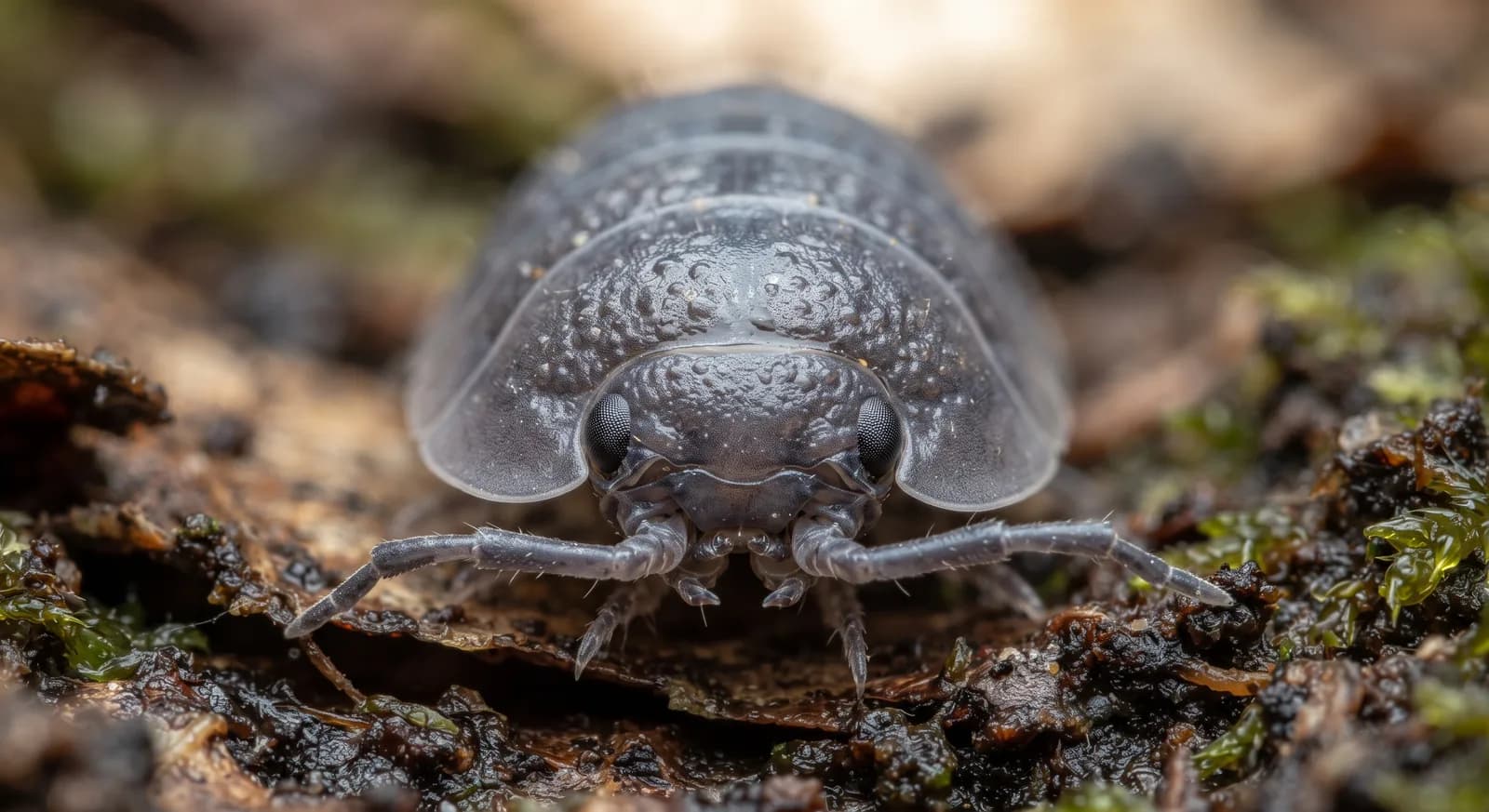
A terrestrial crustacean with a semi-cylindrical body, domed above and flat beneath, protected by an armour of one head segment, seven dorsal segments and a pleon. Slate grey with yellowish markings and seven pairs of legs. Its characteristic feature is conglobation: it rolls into a perfect ball when threatened.

Size

1 cm – 1.5 cm

Life expectancy

2 years

Diet

Detritivore

Feeds on dead organic matter as it decomposes.
Activity

Nocturnal

Active mainly at night.

Social structure

Colony

Lives in large concentrations, often for breeding reasons.

Sighting difficulty

Unknown

Temperate forest
84countries193parks

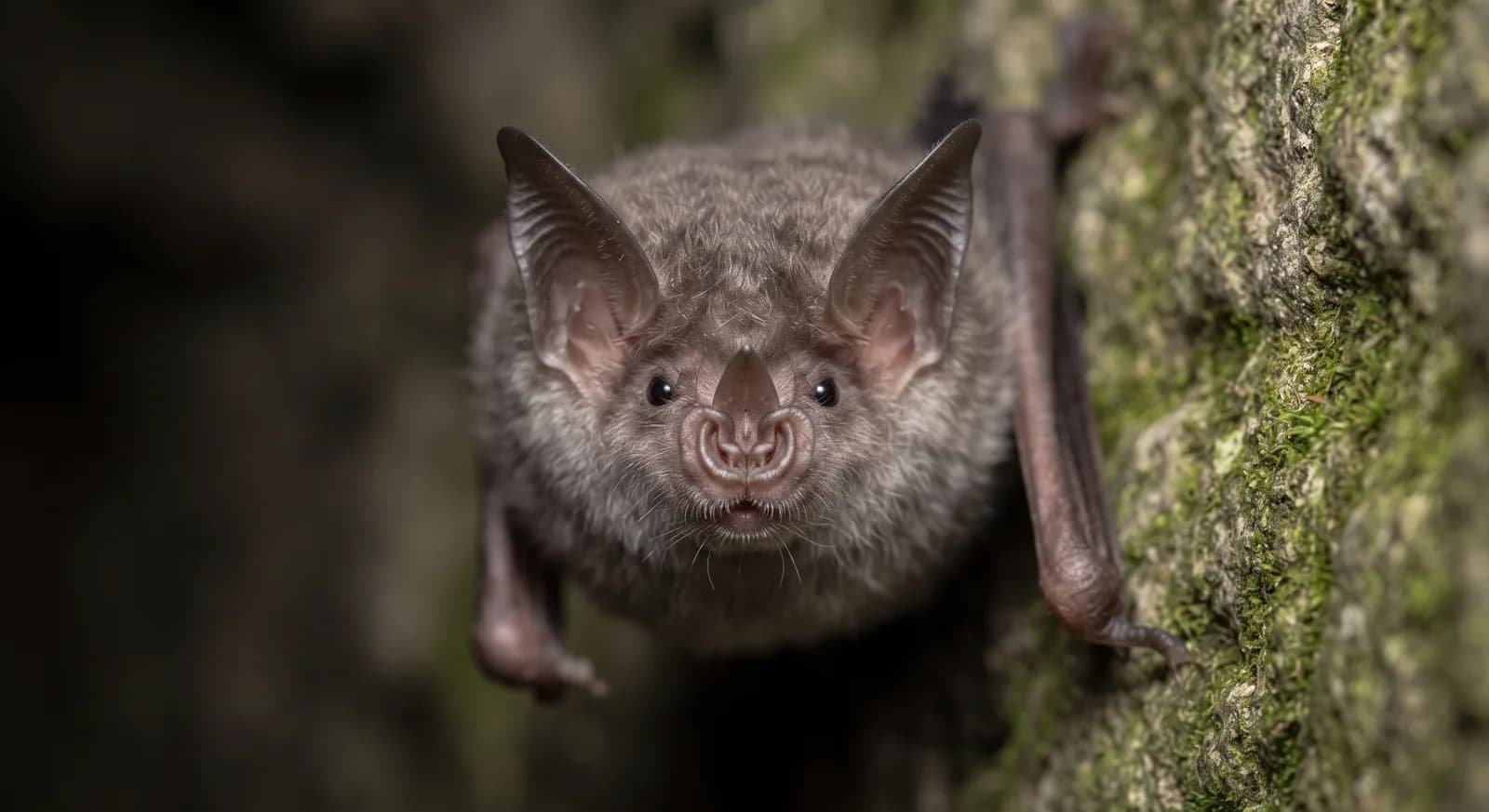
AI-generated images: illustrations, not photographs.

Fun facts

  • It is the best-studied terrestrial isopod in the world: even the details of its mitochondrial DNA are known, which is atypically large (20-24 kb against the usual 15-17).
  • It breathes through pseudotracheae, lungs folded into the abdomen that meet 94% of its oxygen needs and that allowed it to colonise dry land.
  • The female broods her eggs in a pouch on her underside, and the young emerge from it as though she were giving birth to live offspring.
  • It is a land crustacean, not an insect: it still has modified gills and that is why it depends on damp.
  • It rolls into a perfect ball when disturbed, a behaviour called conglobation that protects the soft underside and reduces water loss.
  • It harbours bacteria of the genus Wolbachia that manipulate its reproduction: they feminise genetic males, which develop as functional females. Three different feminising strains are known.
  • That manipulation goes beyond sex: the infection also alters the composition of its microbiota, which runs to more than 200 bacterial genera.
  • It is an important decomposer of leaf litter and returns nutrients to the soil.

Life cycle and biology

Skeleton type
Invertebrate - articulated calcareous exoskeleton (crustacean)
Habitat and environment
Damp soils rich in organic matter: parks, gardens, allotments and field margins. It tolerates sunny places better than other woodlice and shelters from the sun under stones or timber
Size at birth
At birth the young lack one of the seven pairs of legs, which grows later
Sexual maturity
They do not breed until a year old
Gestation / incubation
Incubation lasts between 3 and 9 weeks inside the female's pouch
Litter / clutch size
A female can lay more than 200 eggs; a Uruguayan study in a maize crop found an average fecundity of 37 eggs and an average fertility of 28 embryos per clutch

Sources consulted: Animal Diversity Web (Universidad de Michigan); Souty-Grosset et al. 1994; Boletín de la Sociedad Zoológica del Uruguay (biología reproductiva); Real Decreto 630/2013, Catálogo Español de Especies Exóticas Invasoras; Universitat Autònoma de Barcelona (B.E.E.S.)

Where to find it

Best time: All year round, under stones, flowerpots and timber in damp corners of parks and gardens

Loading map…

Where to see it

Parks and dive sites where this species has been documented — showing 10 of 193.

Related species

Other species in the catalogue with the most in common with Common Pill Woodlouse — same habitat, park, country, tags or family.

Shares a park
Shares a park
Shares a park
Shares a park
Shares a park
Shares a park

Keep exploring

Based on what we already know about common pill woodlouse.

Comments

Share an experience, a fun fact or a tip for seeing the common pill woodlouse.

Be the first to comment.

See full glossary
This page in other languages: Español · Deutsch · Français · Português · Italiano

The pins mark the parks where its presence is documented.

See its range on the interactive map→
SarekSweden
PadjelantaSweden
HardangerviddaNorway
Lake DistrictUnited Kingdom
CairngormsUnited Kingdom
Snowdonia (Eryri)United Kingdom
KillarneyIreland
Picos de EuropaSpain
Ordesa y Monte PerdidoSpain
Aiguestortes i Estany de Sant MauriciSpain
See all 193 parks
Greater Horseshoe BatLeast Concern

Greater Horseshoe Bat

Rhinolophus ferrumequinum

Least Concern

Common Pipistrelle

Pipistrellus pipistrellus

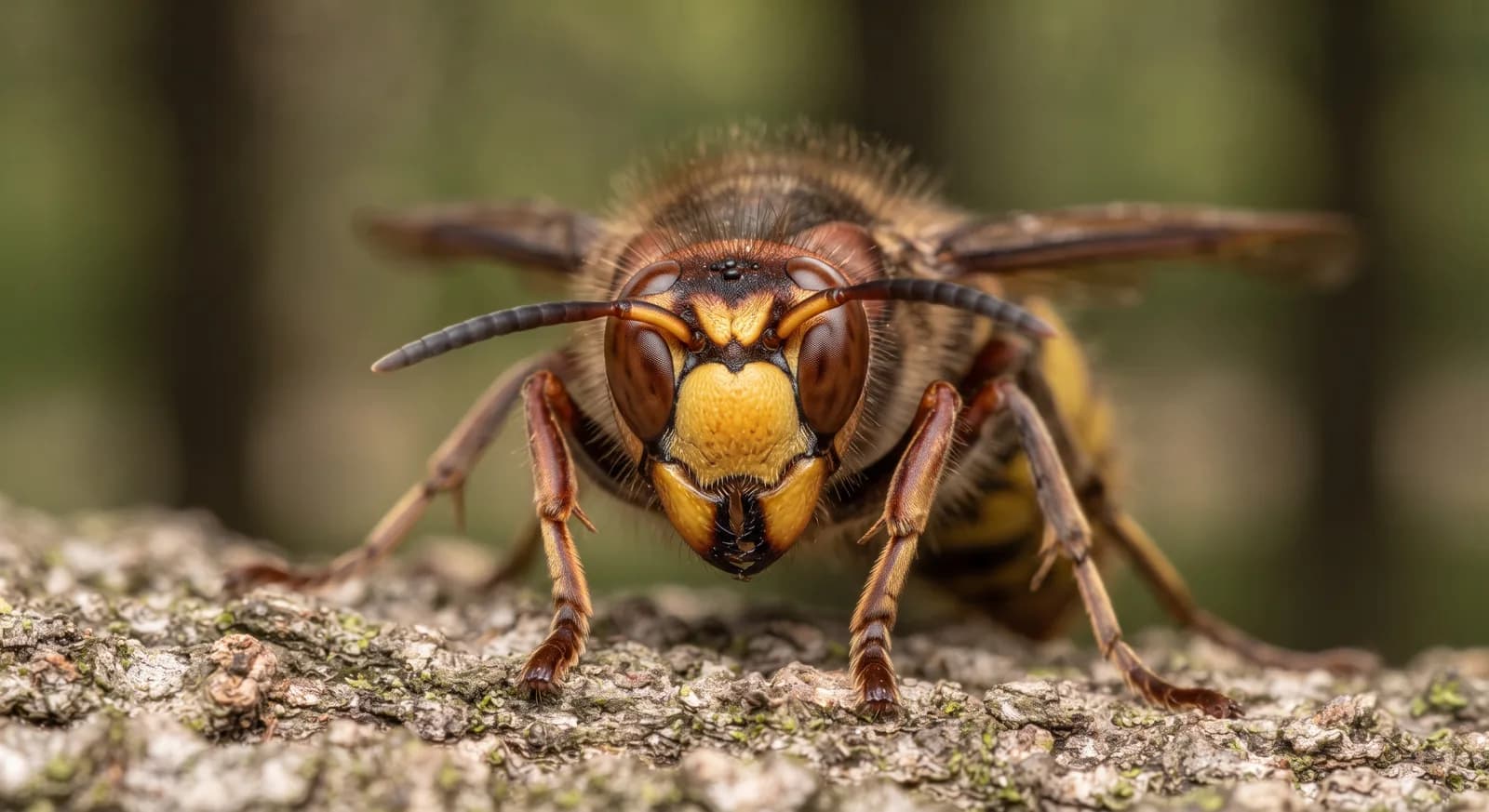
HornetNot Evaluated

Hornet

Vespa crabro

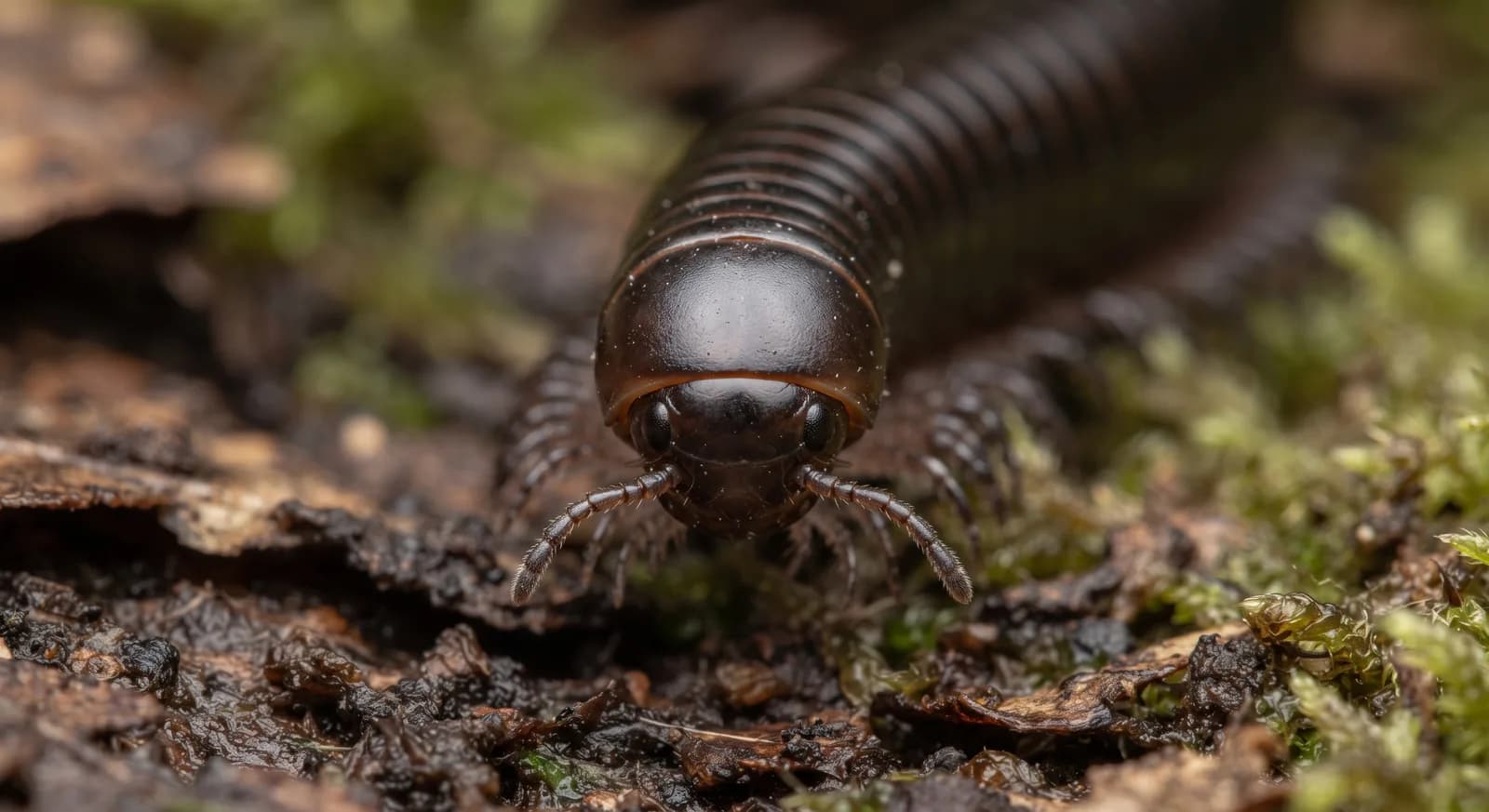
Common MillipedeNot Evaluated

Common Millipede

Julus terrestris

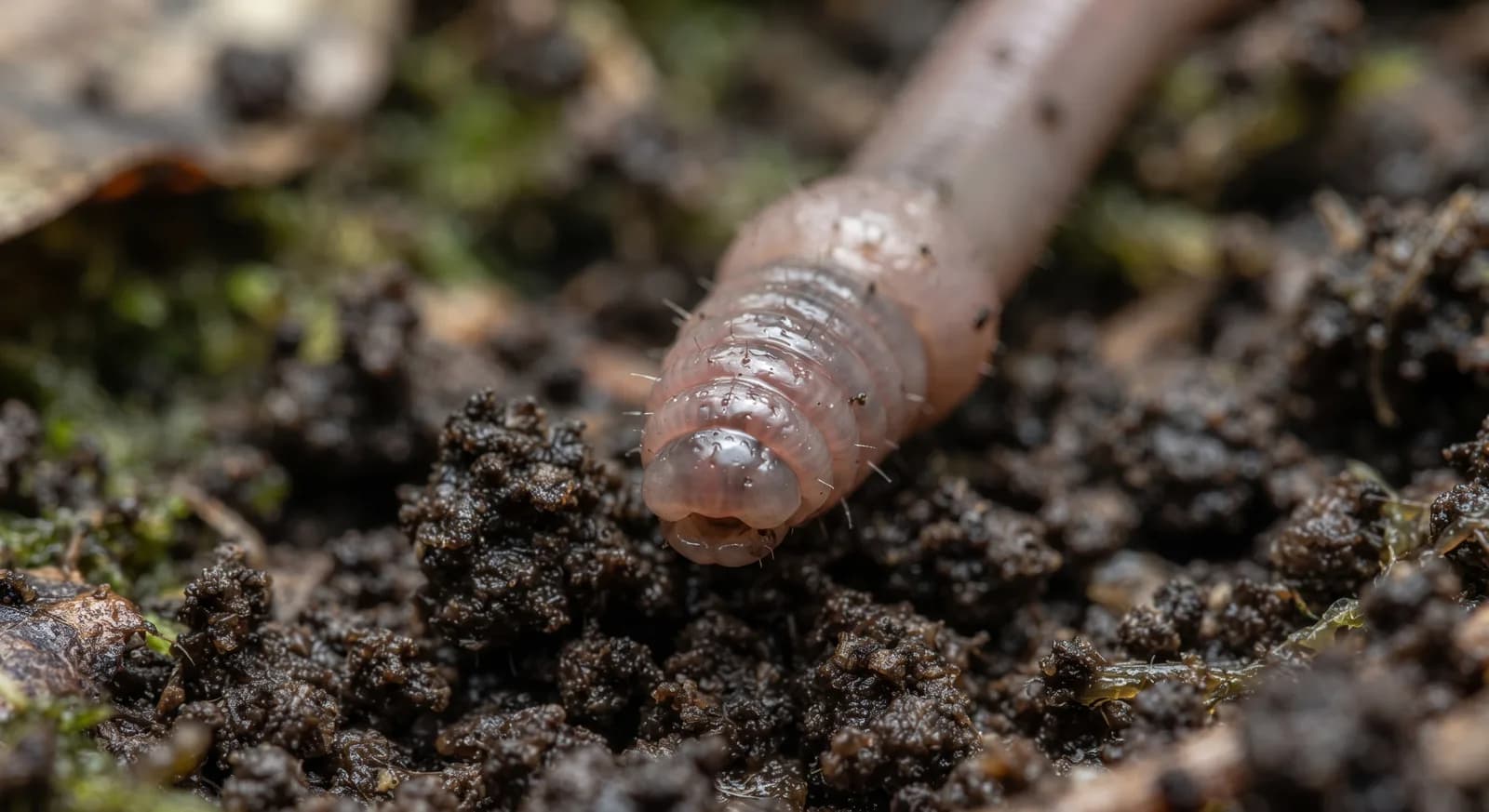
Common EarthwormNot Evaluated

Common Earthworm

Lumbricus terrestris

Least Concern

Common Noctule

Nyctalus noctula

CountriesSpain
ParksSarekSweden
TagsNocturnal
Nocturnal
Colonial
Temperate forest
Crustacean
Detritivore

Europe46

Asia20

South America7

Africa6

North America3

Oceania2

Spain
Sweden
Italy
United Kingdom
Finland
Poland
Albania
Andorra
Austria
Belarus
Belgium
Bosnia and Herzegovina
Bulgaria
Croatia
Cyprus
Czechia
Denmark
Estonia
Finland
France
Germany
Gibraltar
Greece
Hungary
Iceland
Ireland
Italy
Kosovo
Latvia
Liechtenstein
Lithuania
Luxembourg
Malta
Moldova
Monaco
Montenegro
Netherlands
North Macedonia
Norway
Poland
Portugal
Romania
San Marino
Serbia
Slovakia
Slovenia
Spain
Sweden
Switzerland
Ukraine
United Kingdom
Vatican City
Armenia
Azerbaijan
China
Georgia
India
Iran
Iraq
Israel
Japan
Jordan
Kazakhstan
Lebanon
Mongolia
Palestine
Russia
Saudi Arabia
South Korea
Syria
Türkiye
Uzbekistan
Argentina
Brazil
Chile
Colombia
Ecuador
Peru
Uruguay
Algeria
Egypt
Libya
Morocco
South Africa
Tunisia
Canada
Mexico
United States
Australia
New Zealand