Skip to content
WAnimals
  • Map
  • Species
  • Parks
  • Diving
Log inCreate account
WAnimals

The guide for travellers and animal lovers: discover, plan and share your wild adventures around the world.

Discover wildlife

  • Species
  • Ecosystems
  • Glossary
  • Tags

Explore places

  • Map
  • Countries
  • Parks
  • Diving

Plan experiences

  • Guides

Learn

  • Blog

Resources

  • About us
  • How we build our profiles
  • Help centre
  • Contact
  • Install the app

Follow us

Account

  • Log in
  • Create account

© 2026 WAnimals. All rights reserved.

Terms of servicePrivacyCookiesLegal notice
MapSpeciesParksDiving
  1. Vampire Squid

Cephalopods · Vampyromorphida · Vampyroteuthidae

Vampire Squid

Vampyroteuthis infernalis

Not Evaluated

It has not yet been assessed against the IUCN criteria.

Spotted something wrong?

A reddish-brown deep-sea cephalopod, with eight arms joined by a membrane it can fold over itself like a cloak. It is neither an octopus nor a squid: it is the only living representative of its own order, Vampyromorpha. It lives in the oxygen minimum zone of temperate and tropical oceans, where its extremely slow metabolism lets it thrive at oxygen concentrations lethal to almost any other cephalopod.

Size

15 cm – 30 cm

Life expectancy

8 years

Diet

Omnivore

Combines animal and plant food depending on availability.

Social structure

Solitary

Lives and hunts alone, joining others only to breed.

Ocean
161countries

Fun facts

  • GeneralIt does not hunt: it feeds on marine snow, the debris that drifts down from the surface.
  • fisiologíaFor all its name it is no active predator: it gathers organic particles with retractable filaments in deep water with very little oxygen.
  • fisiologíaIt can live in stretches of ocean where oxygen runs extremely low, and where most predators cannot compete with it for the same food.
  • Instead of ink it expels a cloud of mucus carrying thousands of luminous particles to bewilder predators.
  • Unlike almost all cephalopods, it does not die after a single spawning: the female lays in several batches over the course of her life.
  • It is neither a squid nor an octopus: it is the sole survivor of a lineage that split from both some 165 million years ago.
  • It is the only cephalopod that does not eat living prey. It feeds on marine snow, the constant rain of organic debris falling from the surface, gathering it by extending two sticky filaments up to eight times its body length, like a fishing rod.
  • It then draws the filament between its arms: the suckers secrete mucus that binds the particles into a ball, and finger-like cirri carry it to the mouth.
  • It lives where almost nothing can: it has the lowest mass-specific metabolism of any cephalopod and the highest-affinity oxygen-binding haemocyanin known in the group.
  • It breaks another cephalopod rule: instead of breeding once and dying, it breeds repeatedly over a life of some eight years.
  • Its defence is not ink but light: it releases a cloud of sticky bioluminescent mucus and wraps itself in its own membranous cloak.
  • Carl Chun named it in 1903 for its dark red colour, its red eyes and the cloak-like web between its arms.

Life cycle and biology

Skeleton type
Invertebrate - internal chitinous pen (gladius)
Habitat and environment
The oxygen minimum zone (600-1,200 m)

Sources consulted: Chun (1903) · Hoving y Robison (2012), Proceedings of the Royal Society B · MBARI · Golikov et al. (2019), Scientific Reports · Anatomia de Cephalopoda · Wikipedia (Cuttlebone, Gladius) · FAO, terminos tecnicos de cefalopodos

Where to find it

Loading map…

Related species

Other species in the catalogue with the most in common with Vampire Squid — same habitat, park, country, tags or family.

Related to
Related to
Related to
Related to
Related to
Related to

Keep exploring

Based on what we already know about vampire squid.
Share an experience, a fun fact or a tip for seeing the vampire squid.
Home
Species
One of the 6 squid on WAnimals
See full glossary
This page in other languages: Español · Deutsch · Français · Português · Italiano
See its range on the interactive map→
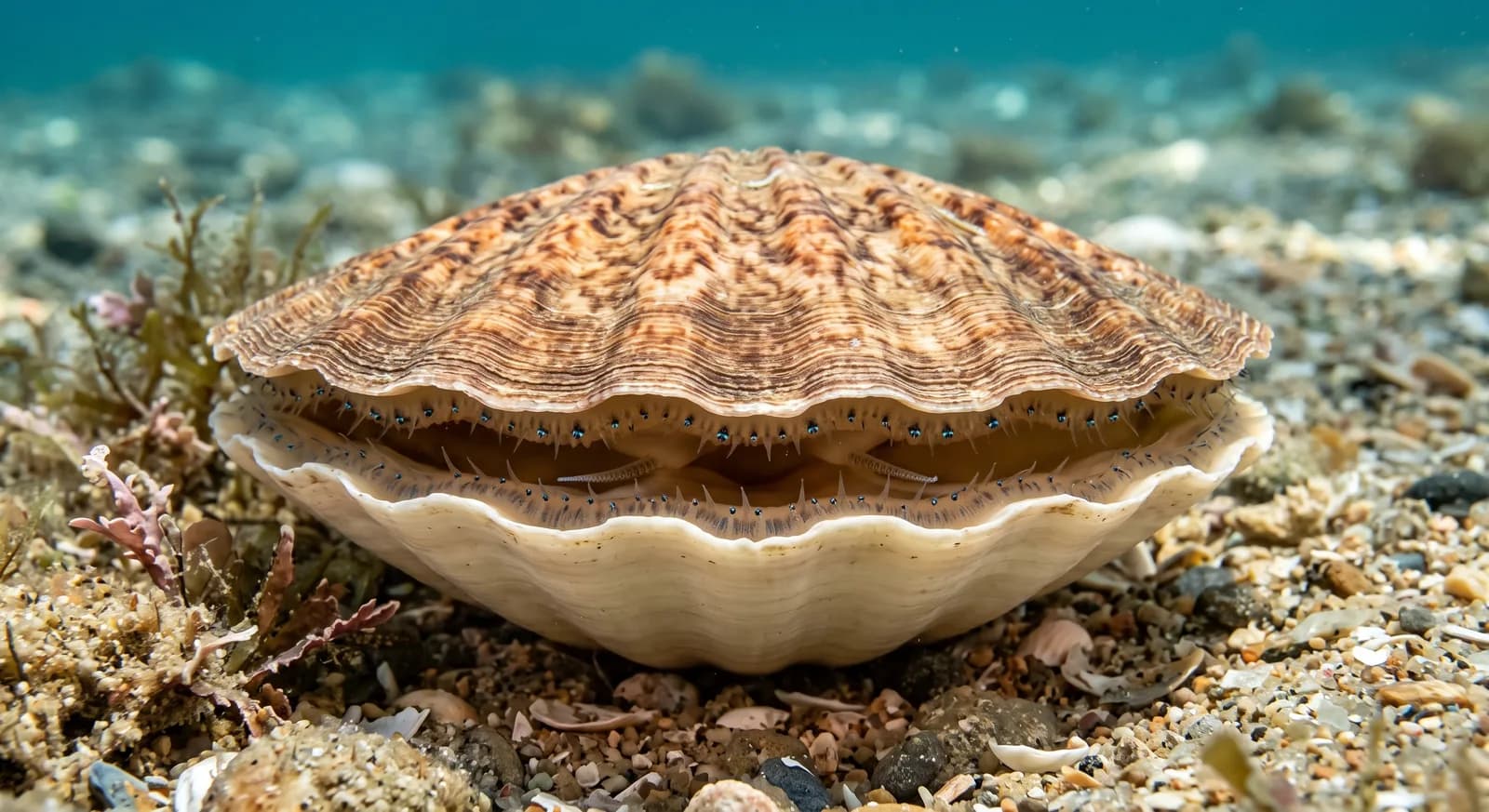
Great ScallopNot Evaluated

Great Scallop

Pecten maximus

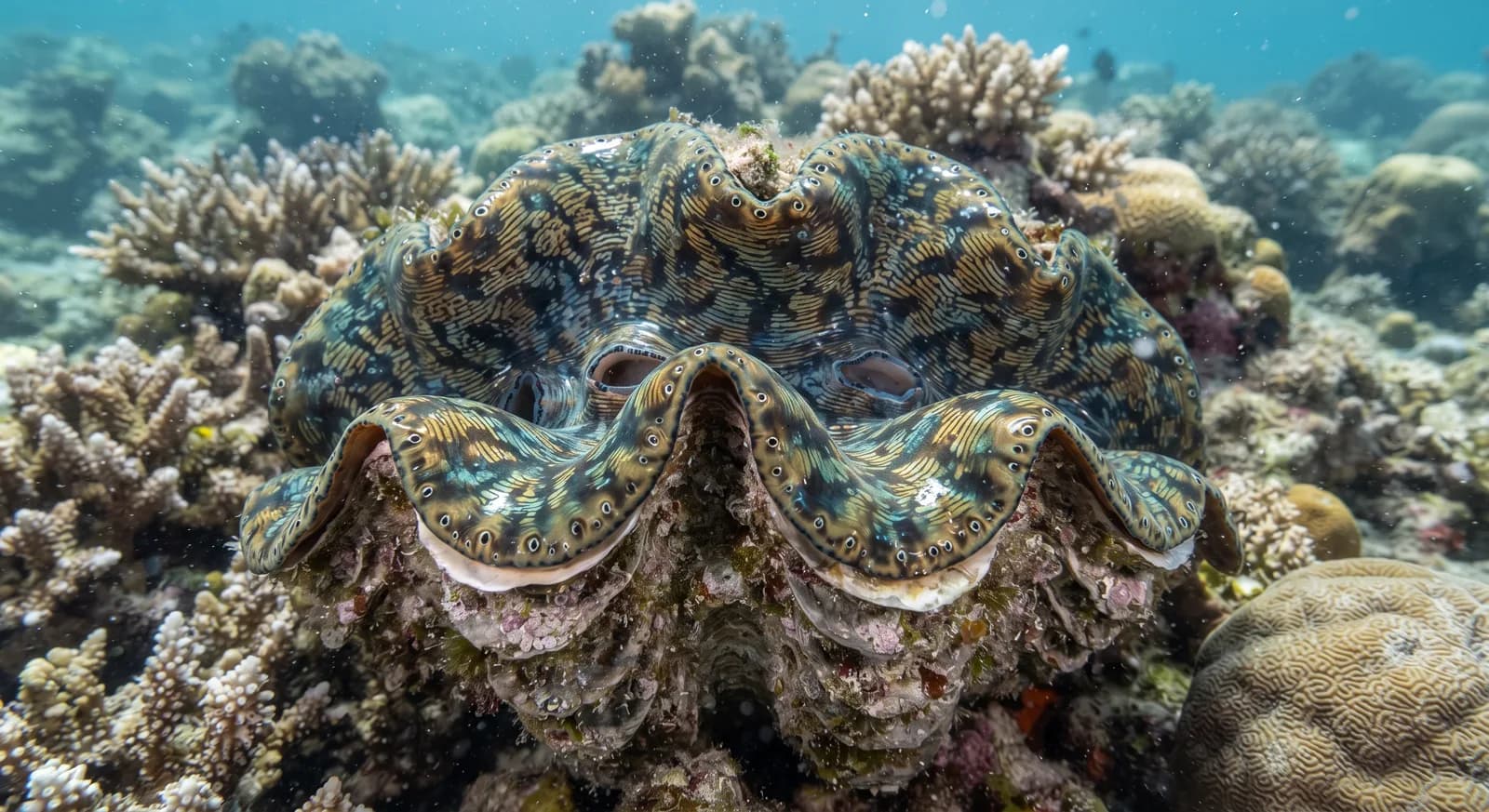
Giant ClamCritically Endangered

Giant Clam

Tridacna gigas

Not Evaluated

Sand Gaper

Mya arenaria

Not Evaluated

Northern Nutclam

Nuculana pernula

Not Evaluated

Old Cardita

Cardites antiquatus

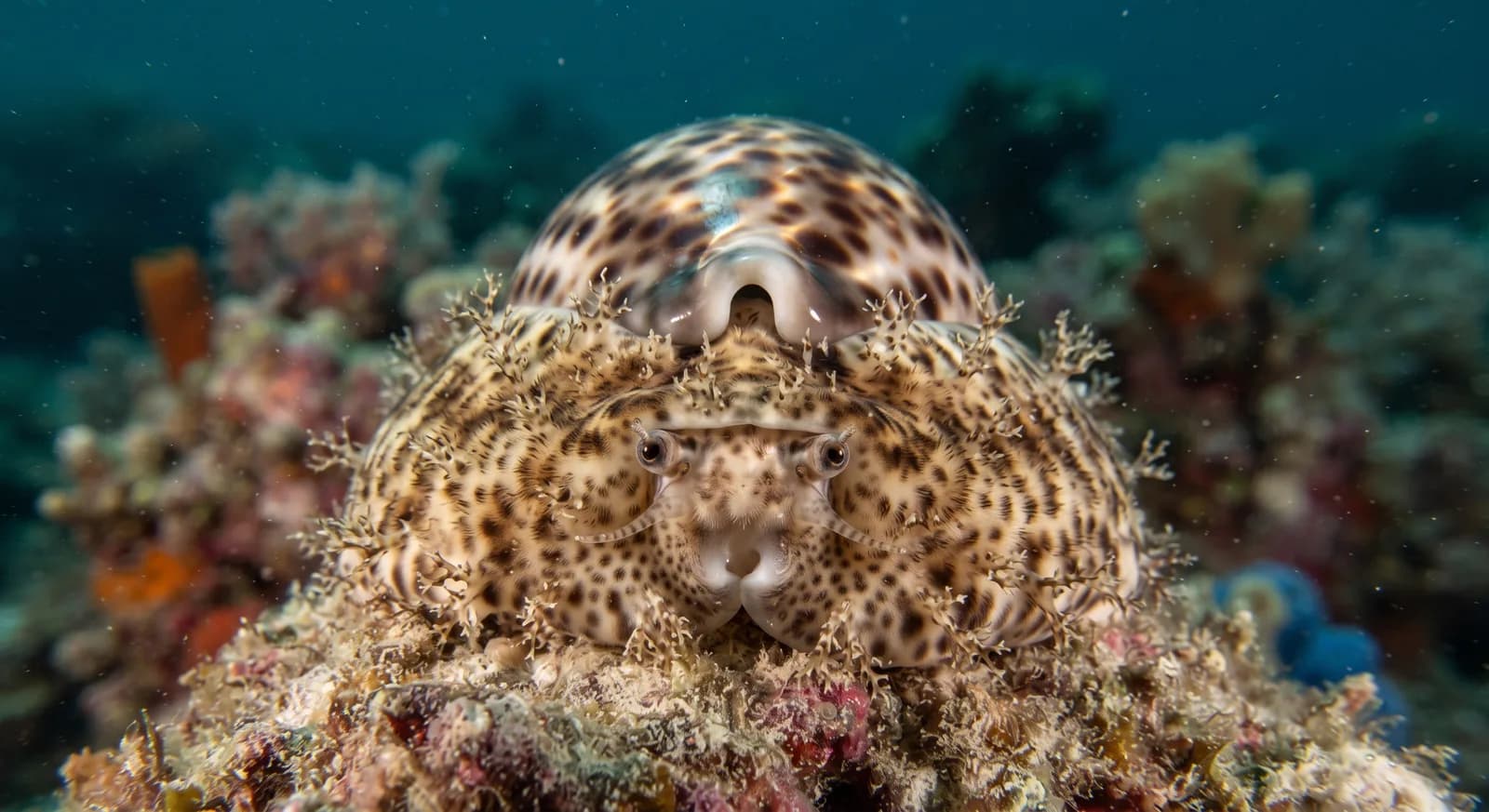
Tiger CowrieNot Evaluated

Tiger Cowrie

Cypraea tigris

CountriesAlbania
TagsOmnivore
Omnivore
Solitary
Ocean
Mollusc

Africa40

North America34

Asia33

Europe22

Oceania21

South America11

Albania
Algeria
American Samoa
Angola
Anguilla
Antigua and Barbuda
Algeria
Angola
Benin
Cabo Verde
Cameroon
Comoros
Côte d’Ivoire
Democratic Republic of the Congo
Djibouti
Egypt
Equatorial Guinea
Eritrea
Gabon
Gambia
Ghana
Guinea
Guinea-Bissau
Kenya
Liberia
Libya
Madagascar
Mauritania
Mauritius
Mayotte
Morocco
Mozambique
Namibia
Nigeria
Republic of the Congo
Réunion
São Tomé and Príncipe
Senegal
Seychelles
Sierra Leone
Somalia
South Africa
Sudan
Tanzania
Togo
Tunisia
Anguilla
Antigua and Barbuda
Aruba
Bahamas
Barbados
Belize
Bermuda
British Virgin Islands
Canada
Cayman Islands
Costa Rica
Cuba
Curaçao
Dominica
Dominican Republic
El Salvador
Grenada
Guadeloupe
Guatemala
Haiti
Honduras
Jamaica
Martinique
Mexico
Nicaragua
Panama
Puerto Rico
Saint Kitts and Nevis
Saint Lucia
Saint Vincent and the Grenadines
Trinidad and Tobago
Turks and Caicos Islands
U.S. Virgin Islands
United States
Bahrain
Bangladesh
Brunei
Cambodia
China
India
Indonesia
Iran
Israel
Japan
Kuwait
Lebanon
Malaysia
Maldives
Myanmar
North Korea
Oman
Pakistan
Philippines
Qatar
Russia
Saudi Arabia
Singapore
South Korea
Sri Lanka
Syria
Taiwan
Thailand
Timor-Leste
Türkiye
United Arab Emirates
Vietnam
Yemen
Albania
Belgium
Bosnia and Herzegovina
Croatia
Cyprus
Denmark
France
Germany
Greece
Iceland
Ireland
Italy
Malta
Monaco
Montenegro
Netherlands
Norway
Portugal
Slovenia
Spain
Sweden
United Kingdom
American Samoa
Australia
Cook Islands
Fiji
French Polynesia
Guam
Kiribati
Marshall Islands
Micronesia
Nauru
New Caledonia
New Zealand
Niue
Northern Mariana Islands
Palau
Papua New Guinea
Samoa
Solomon Islands
Tonga
Tuvalu
Vanuatu
Argentina
Brazil
Chile
Colombia
Ecuador
French Guiana
Guyana
Peru
Suriname
Uruguay
Venezuela